What to Do If You Think You're Being Scammed Online
The moment you realize
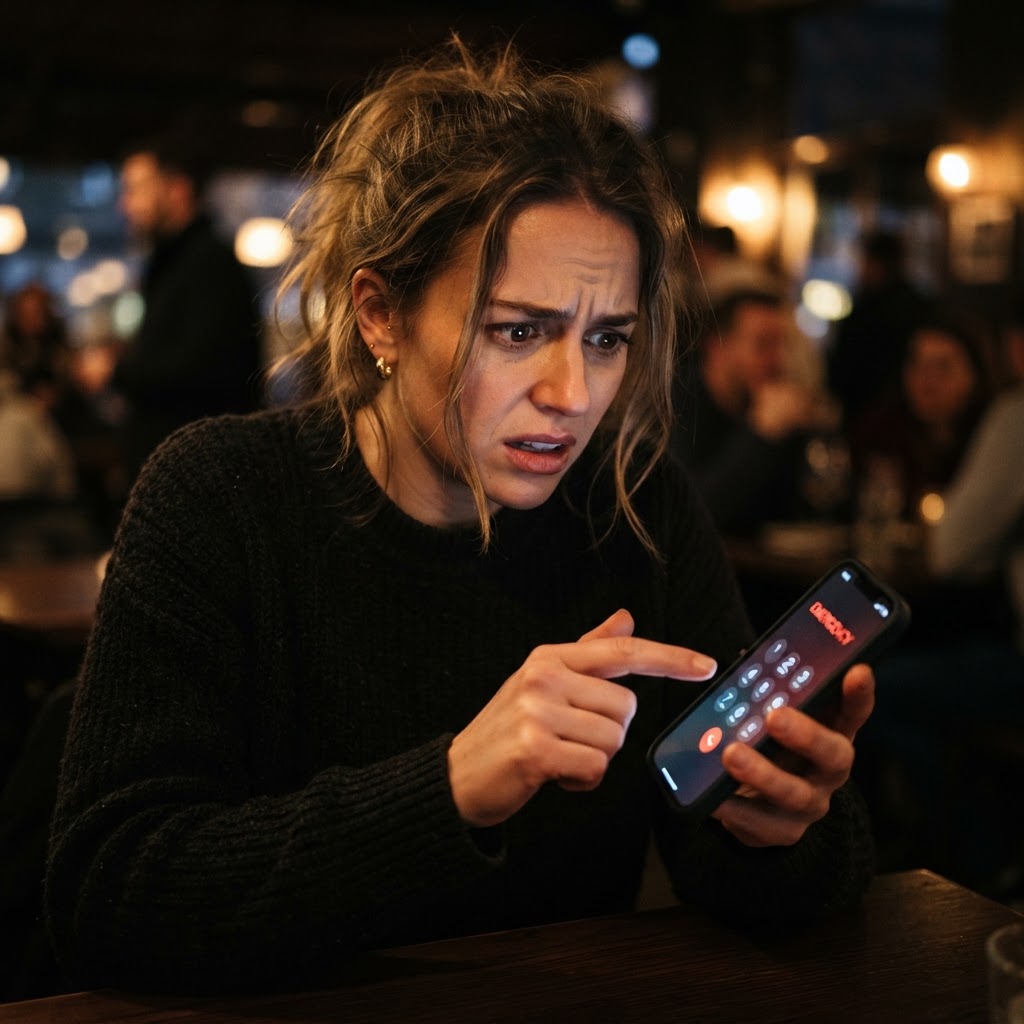
It usually hits suddenly. A detail that doesn't fit. A request that finally feels wrong. A friend's offhand comment that cracks the spell. And then the dread: I think I'm being scammed.
If you're in that moment, take a breath. You're not stupid, you're not alone, and there are concrete steps that limit the damage. Here's exactly what to do.
Step 1: Stop sending money — right now
This is the single most important step, and it's urgent.
- Don't send the payment you were about to send. Not the "last" one, not the "small" one, not the one that will "finally" let them come see you.
- Don't believe the urgency. Scams manufacture panic to override your judgment. The emergency feels real because it's designed to. It isn't.
- Don't fall for the guilt. "After all I've done for you" is a manipulation, not a moral argument. You owe them nothing.
Every dollar you stop sending now is a dollar saved. There is no "too late" — only "later than ideal."
Step 2: Stop all contact
Don't confront them. Don't ask for an explanation. Don't give them a chance to produce a better lie.
- Block them on every platform you've used — the dating app, social media, phone, email, payment apps.
- Don't warn them that you're onto them. A skilled scammer will simply adjust, create a new identity, and move to the next victim. Your job isn't to reform them — it's to protect yourself.
- Resist the urge to get closure. You won't get it from them. The closure comes from walking away.
Step 3: Secure your accounts
Scammers sometimes use information you've shared to access your accounts.
- Change passwords on your email, banking, and social media, especially if you shared any of them.
- Enable two-factor authentication on everything important.
- Check your bank and payment app for unauthorized transactions or recurring charges you didn't notice.
- Freeze your credit if you shared enough personal information (full name, address, SSN) that identity theft is a concern.
Step 4: Document everything
Before you block them, save the evidence:
- Screenshots of the profile, the conversations, and any requests for money.
- Records of every payment — dates, amounts, methods, recipient info.
- Any identifying details — names, phone numbers, email addresses, photos they sent.
You may need this for a fraud report, a bank dispute, or — if you choose — to warn others. Keep it somewhere safe and organized.
Step 5: Report it
Reporting helps you and helps the next potential victim:
- Your bank or payment app — dispute the transactions as fraud. Some methods (credit cards) offer better fraud protection than others (wire transfers, crypto, gift cards), but report regardless.
- The FTC at ReportFraud.ftc.gov — the U.S. government's central fraud reporting site.
- The FBI's IC3 at ic3.gov — for romance-scam-specific reports.
- The dating platform — report the profile so it's removed and others are warned.
Reporting won't usually get your money back, but it creates a record, helps law enforcement track patterns, and may prevent the same scammer from reaching the next person.
Step 6: Tell someone
This is the hardest step for many victims, and the most important for recovery.
The shame of being scammed is real and powerful — and it's exactly what scammers count on to keep you silent. Silence keeps you isolated, and isolation is where scams thrive.
Tell one person you trust. A friend, a family member, a therapist. Say the whole thing out loud. You will almost certainly find that their reaction is compassion, not judgment — because the people who love you know you're not stupid.
If you can't tell someone you know, call a support line. The AARP Fraud Watch Network and the FTC both offer resources. You don't have to carry this alone.
Step 7: Watch for the "recovery scam"
A cruel but common follow-up: after you've been scammed, someone contacts you claiming they can recover your lost money — for a fee. This is a second scam targeting the first scam's victims.
- No legitimate service guarantees recovery of romance-scam losses. Once money is sent via wire, crypto, or gift cards, it's almost always gone.
- Anyone asking for a fee to recover your money is running a recovery scam. Report them too.
Step 8: Give yourself time
Being scammed is a loss — of money, of trust, of the relationship you thought you had. It's a real grief, and it takes time to process.
- Don't blame yourself. You were targeted by a professional operation designed to defeat exactly your kind of judgment.
- Don't let it make you cynical forever. Most people are honest. The lesson isn't "trust no one" — it's "verify before you invest."
- Don't rush back into dating until you feel ready. Take the time to rebuild your own footing first.
If you're not sure yet
If you're reading this and thinking I think this might be happening to me but I'm not certain — that uncertainty is worth acting on. You don't need to be sure to stop sending money, to slow down, or to verify.
A private verification report can tell you whether the person you're talking to actually exists — whether their photos are stolen or AI-generated, whether their identity matches public records. That answer, one way or the other, is worth far more than the cost of finding out.
If you're worried and want to know for sure, start a private report. The person you search is never notified.
Want us to verify your date?
VerifyMyDate compiles public records, identity checks and photo intelligence into one private, evidence-based report. The person you search is never notified.
Check Someone Now — $19.99