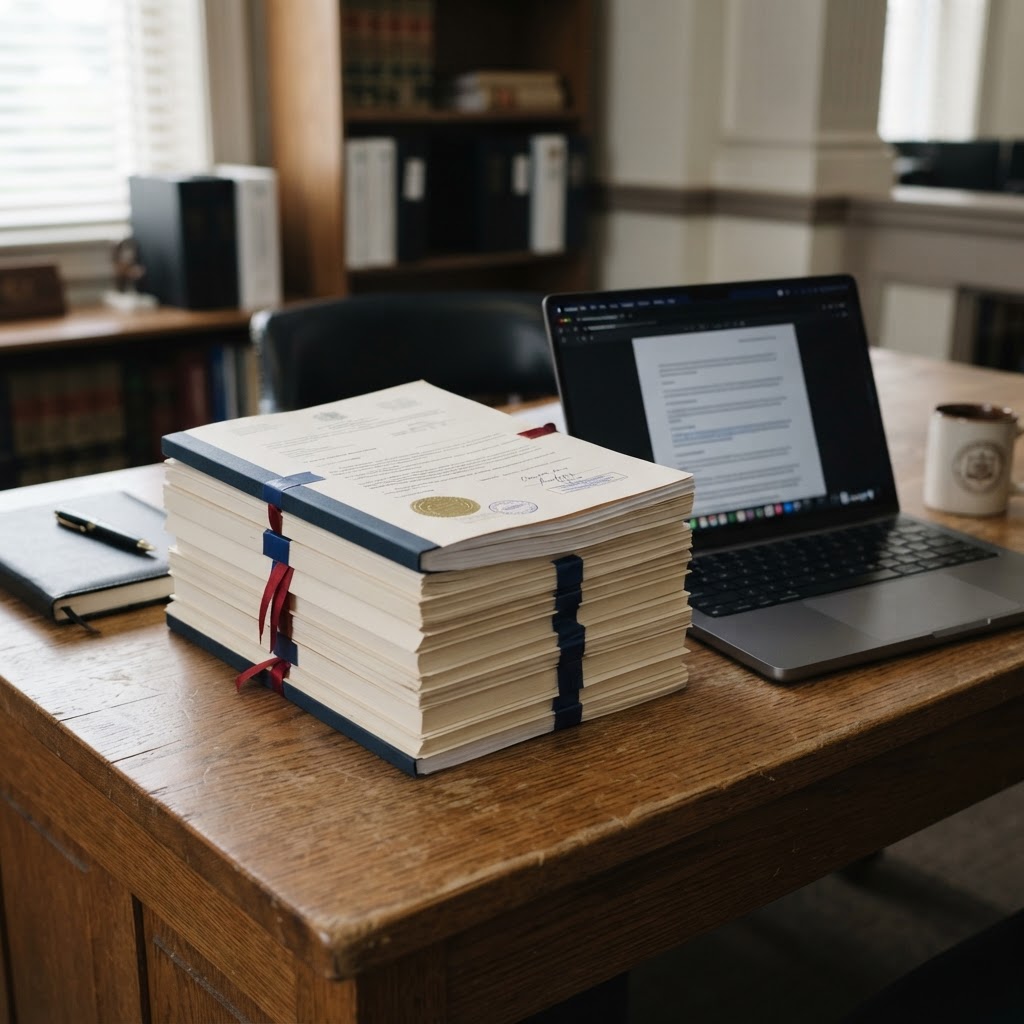
What Public Records Can Reveal About Someone You're Dating
What the paper trail can tell you
When you meet someone, you're taking their word for who they are. But most adults leave a paper trail — a record of marriages, property, court cases, licenses, and addresses that exists whether they mention it or not.
Public records can't tell you if someone is kind, or honest, or right for you. But they can confirm or contradict the basic facts of their life. Here's what's actually out there, and what each type of record can — and can't — reveal.
Marriage and divorce records
What they show
- Whether a marriage license was issued, and to whom
- The date and jurisdiction of the marriage
- Whether a divorce was filed or finalized
What they're good for
Confirming someone is actually single, as they claim. Catching someone who's secretly married. Understanding the timeline of past relationships they've mentioned.
The limits
- Not all jurisdictions index these records online.
- A marriage record doesn't prove the marriage is still active — you'd need to also search for a divorce.
- Absence of a record doesn't prove singlehood; the marriage may have happened elsewhere.
- Common names cause false matches without careful identity matching.
Property records
What they show
Property ownership records (often called deed records) list who owns a piece of real estate, and sometimes who holds the mortgage.
What they're good for
Confirming someone actually owns the home they claim. Spotting a property they didn't mention — sometimes co-owned with someone whose name raises questions. Understanding their financial footprint.
The limits
- Ownership can be held in trusts, LLCs, or a spouse's name.
- Records show ownership, not residency — someone can own property they don't live in.
Court records
What they show
Civil and criminal court records, where public, can reveal lawsuits, judgments, bankruptcies, and criminal cases.
What they're good for
A pattern of lawsuits (especially as a defendant) can signal financial or interpersonal chaos. Criminal records, where available and relevant, can be genuinely important for personal safety.
The limits
- Not all courts index online; not all records are public.
- A single lawsuit isn't a pattern. Context matters.
- Important: for dating-safety purposes, you're looking for patterns and safety-relevant facts — not using records to judge someone for a single old mistake.
Professional and business licenses
What they show
Many professions require licenses that are publicly searchable: doctors, lawyers, nurses, real estate agents, contractors, financial advisors.
What they're good for
Confirming someone actually holds the job or credentials they claim. Catching someone who says they're a surgeon but has no medical license in any state. Spotting disciplinary actions or suspensions.
The limits
- Not every job is licensed.
- A clean license doesn't mean a good practitioner — only that no action has been taken.
Address history
What it shows
A history of where someone has lived, often derived from credit headers, voter rolls, and other public sources.
What it's good for
Confirming they've lived where they say. Noticing a gap or a location they never mentioned. Corroborating other details (if they say they went to college in Boston but have no address history in Massachusetts, that's a question).
The limits
- Address histories are approximate and can be incomplete.
- They're not a current address locator; they're a historical pattern.
How to read records without misreading them
The single biggest mistake people make with public records is treating a name match as a person match. "John Smith" in a marriage record in Texas is not necessarily your John Smith — even if the age is close.
Responsible record use requires identity matching: cross-referencing full names, middle names or initials, ages, locations, and other details until you're confident the record actually describes the person you're dating. A good verification report does this matching for you and labels the confidence honestly — "likely match," "possible match," "unconfirmed."
What records can never tell you
- Whether someone is a good partner.
- Whether they'll be faithful.
- Whether they're emotionally safe.
- Whether the relationship will work.
A clean record is the absence of disqualifying facts. It's necessary, but not sufficient. Use it as one input — alongside your own judgment, the way they treat you, and the consistency of their story.
Want the paper trail compiled and cross-referenced for you? VerifyMyDate searches marriage, divorce, property, court, and license records across jurisdictions into one private, evidence-based report.
Want us to verify your date?
VerifyMyDate compiles public records, identity checks and photo intelligence into one private, evidence-based report. The person you search is never notified.
Check Someone Now — $19.99