The Psychology of Romance Scams: Why Smart People Get Fooled
Why this happens to good people
There's a myth that romance-scam victims are lonely, gullible people who should have known better. It's not just unkind — it's wrong.
In my time researching these scams, I've seen victims who were engineers, doctors, financial advisors, professors. People whose entire job was to assess risk. They got caught anyway.
That's not a failure of intelligence. It's a feature of how the scams are designed. Understanding the psychology is the best defense — because it helps you see that anyone, including you, can be vulnerable under the right conditions.
The conditions that create vulnerability
Loneliness and disconnection
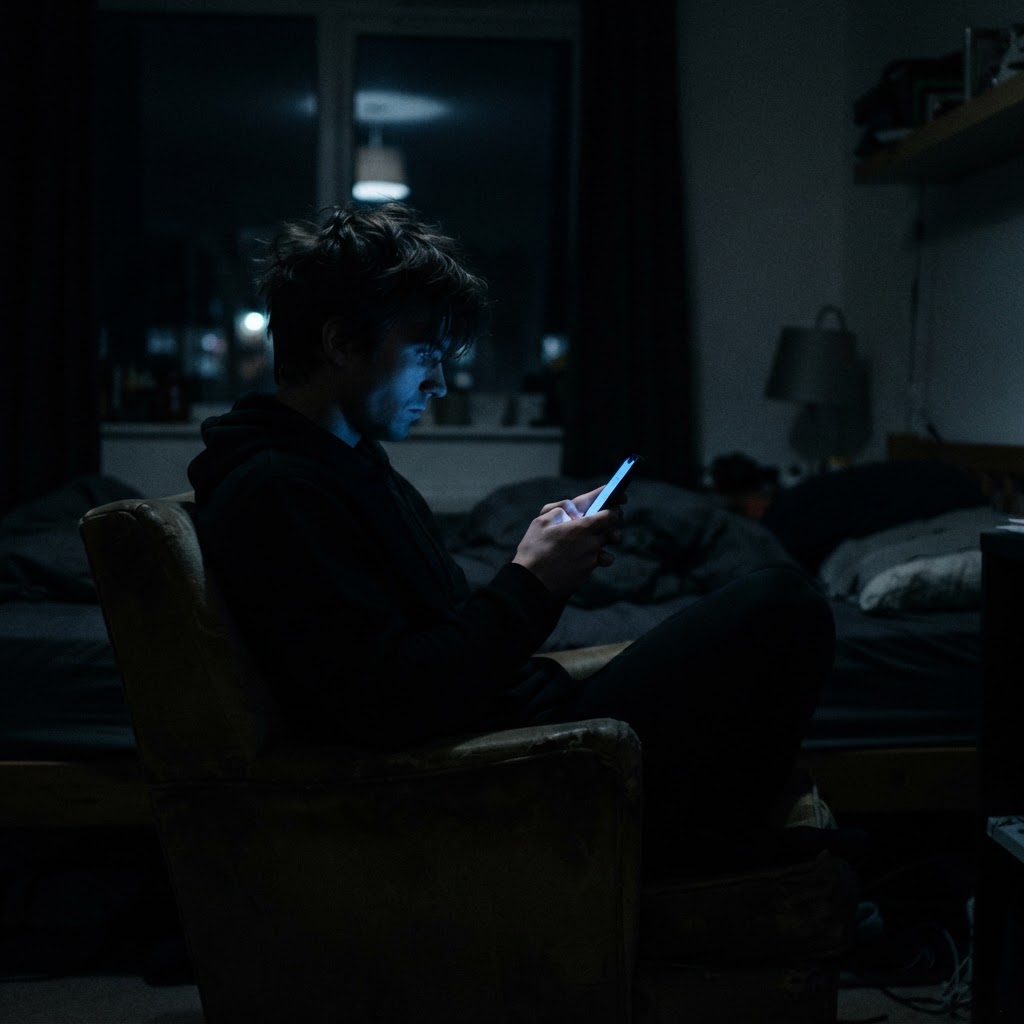
The single biggest risk factor isn't naivety — it's isolation. Scammers target people who are recently widowed, divorced, relocated, or otherwise cut off from a strong social network. The isolation does two things: it creates a hunger for connection, and it removes the friends who might say "this seems off."
A moment of emotional need
Scams often begin during a life transition — a loss, a retirement, an empty nest, a health scare. The person isn't at their sharpest. They're reaching out for comfort, and the scammer is there, ready to provide it.
The illusion of control
Smart people are especially vulnerable because they trust their own judgment. "I would never fall for a scam" is itself a vulnerability — it makes you stop checking. The scammer counts on your confidence being greater than your caution.
How the scam builds
Phase 1: Selection and contact
Scammers don't pick victims at random. They study profiles for signs of vulnerability and means — recent life changes, signs of income, expressions of loneliness. Then they make contact, often with a message designed to invite conversation rather than suspicion.
Phase 2: Trust and bonding
This phase can last weeks or months. The scammer mirrors the victim's interests, responds with perfect attentiveness, and builds an intense emotional bond. They become the most consistent, attentive, understanding person in the victim's life — which is exactly the role the victim needed filled.
This isn't accidental. Scammers work from refined scripts. They're not improvising — they're executing a playbook tested on thousands of victims.
Phase 3: Isolation
Gently, the scammer discourages the victim from discussing the relationship with friends and family. "They won't understand." "This is ours." The goal is to remove the outside voices that might break the spell.
Phase 4: The ask
Once the bond is solid and the outside checks are gone, a need appears. It's always sympathetic — a medical bill, a frozen account, a business emergency, a customs fee on a gift. It starts small. It escalates. And because the victim has already invested emotionally, refusing feels like betraying the relationship.
Phase 5: The trap
By the time the victim realizes something is wrong, they've often sent significant money and built their emotional life around a person who doesn't exist. The shame of admitting it keeps them sending more, hoping the next payment will finally bring the promised meeting that never comes.
The psychological levers
Understanding the specific tactics helps you recognize them:
- Love bombing — overwhelming affection to bond the victim fast.
- Future faking — detailed promises of a shared future that never arrives, keeping the victim committed.
- Intermittent reinforcement — warmth and coldness in unpredictable cycles, which creates a gambling-style addiction to the relationship.
- Sunk cost — the more the victim has invested (emotionally and financially), the harder it is to walk away.
- Guilt and obligation — "after all I've done for you," "I thought you cared," turning the victim's conscience into a weapon against them.
- Urgency — every request is time-sensitive, to prevent the victim from slowing down and thinking clearly.
Why smart people miss it
Intelligence doesn't protect you because the scam doesn't target your reasoning — it targets your emotions. By the time your reasoning engages, the emotional bond is already strong enough to override it.
This is why the "how could you fall for that?" reaction from friends is so damaging. It pushes victims deeper into shame and isolation — exactly where the scammer wants them. The right response is "this can happen to anyone, and you're not alone."
How to protect yourself
Stay connected
The single best defense is a strong social network you actually talk to. Tell someone about a new online relationship early. Let outside eyes in. Isolation is the scammer's ally; connection is your shield.
Slow down
Scams require urgency. Anything that moves fast — emotional declarations, money requests, plans that need a decision today — is a reason to slow down, not speed up. A real connection can wait a day.
Hold the money line
Never send money to someone you haven't met in person. Not once. Not a small amount. Not as a loan. This single rule defeats the vast majority of scams.
Verify early
Before you invest emotionally, verify the basics. A video call. A reverse image search. A name and location check. A verification report if something feels off. Verification isn't suspicion — it's the same caution you'd apply to any significant new person in your life.
If you've been targeted
You're not stupid. You're not alone. You were selected and manipulated by a professional operation designed to defeat exactly your kind of intelligence.
- Stop all contact.
- Don't send any more money.
- Report it (the FBI's IC3, the FTC, your bank).
- Talk to someone — shame thrives in silence.
Recovery is possible. The first step is breaking the silence.
If you're worried someone you're talking to may not be real, VerifyMyDate can run a private check. The person is never notified.
Want us to verify your date?
VerifyMyDate compiles public records, identity checks and photo intelligence into one private, evidence-based report. The person you search is never notified.
Check Someone Now — $19.99